Signs of a Fraudulent Trading Broker
This article provides a comprehensive, step-by-step guide to recognizing the specific red flags and deceptive tactics employed by fraudulent trading brokers, empowering traders to protect their investments with actionable verification methods.
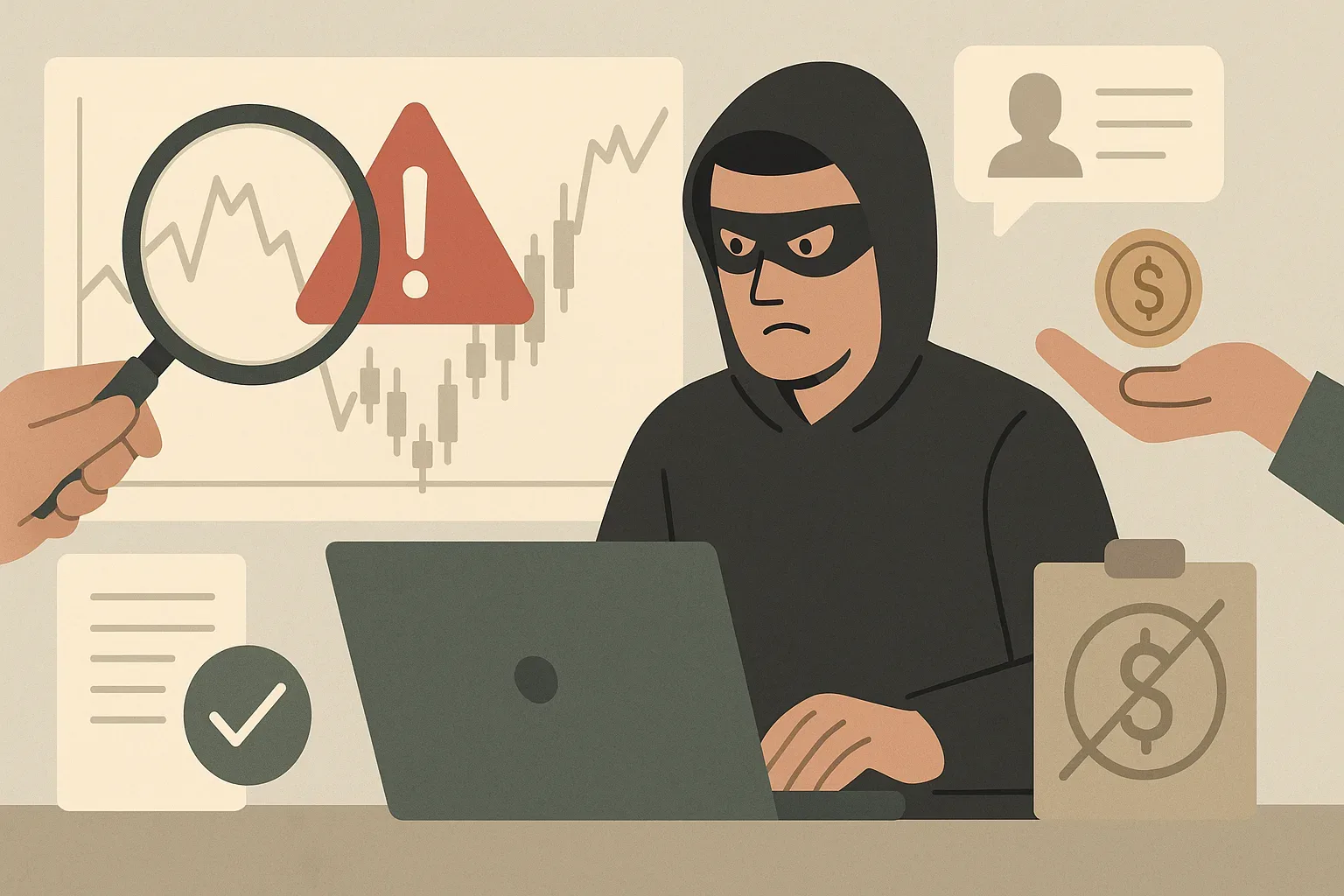
Introduction: The Critical Need to Spot Broker Fraud
However, beneath the surface of legitimate trading lies a treacherous undercurrent of fraudulent brokers poised to exploit unsuspecting investors. These scams, ranging from outright theft to sophisticated manipulation, can decimate savings and erode trust. Recognizing the red flags of a fraudulent trading broker is not merely a precaution; it is a critical necessity for anyone venturing into the financial world. The financial landscape is unfortunately dotted with tales of investors who lost everything due to deceptive tactics and unrealistic promises.
Regulatory Red Flags: The First Line of Defense Against Scams
Legitimate trading brokers are regulated by reputable financial authorities in the jurisdictions where they operate. These regulatory bodies impose strict rules and oversight to protect client funds and ensure fair trading practices. A significant red flag is a broker that claims to be unregulated, or regulated by an obscure, often offshore, entity with little to no genuine oversight.
Another common tactic is for fraudulent brokers to falsely claim regulation by a well known authority. They might display logos of reputable regulators like the FCA (UK), CySEC (Cyprus), ASIC (Australia), or the CFTC (US) on their website without actually being licensed. Always cross-reference any claimed regulatory information directly on the regulator's official website, not through a link provided by the broker. Look for discrepancies in company names, registration numbers, and physical addresses. A genuine regulator's register will list the exact legal entity, its licensing status, and the services it is authorized to provide. If a broker is not listed or the details do not match, consider it a serious warning.
Operational Anomalies: Unrealistic Promises and Pressure Tactics
Legitimate financial markets inherently involve risk, and while profits are possible, they are never guaranteed.
Fraudulent brokers often initiate contact via cold calls, social media messages, or suspicious emails, urging potential victims to invest. They employ high-pressure sales tactics, creating a sense of urgency and fear of missing out, pushing individuals to deposit funds immediately. They might insist on large initial deposits or encourage you to take out loans to invest.
Website and Technology Indicators of a Shady Broker
Legitimate financial institutions invest heavily in professional, user friendly, and secure online presences.
Another warning sign involves their trading platform. Many fraudulent brokers use proprietary trading platforms that are not widely recognized or independently verified. A website without these security measures means your personal and financial data is not encrypted and is vulnerable to interception.
Customer Service Warning Signs: Evasive Communication and Pushy Sales
The nature of customer service provided by a broker can offer critical insights into their legitimacy. Fraudulent brokers often exhibit specific communication patterns and sales tactics that serve as clear warning signs. Difficulty in reaching customer support, including excessively long wait times, unresponsiveness to emails, or being shunted between various "account managers," is a major red flag. Legitimate brokers prioritize accessible and efficient customer service, understanding that client queries and issues need prompt resolution.
Once contact is made, pay close attention to the tone and substance of the communication. A legitimate broker will provide clear, concise, and transparent information.
Withdrawal Issues and Hidden Fees: The Ultimate Red Flag
Among all the warning signs, difficulties with withdrawals and the imposition of hidden fees stand out as the ultimate red flag of a fraudulent trading broker.
Common scenarios include perpetual delays, claiming "technical issues," "system upgrades," or "processing backlogs." Victims might be asked for endless additional documentation beyond standard KYC (Know Your Customer) requirements. A particularly insidious tactic is the demand for new, unexpected fees before a withdrawal can be processed. These can be labeled as "tax fees," "insurance fees," "anti-money laundering fees," or "withdrawal commissions," none of which were disclosed initially and are entirely fabricated. The scammer might also claim you haven't met certain "trading volume requirements" tied to an initial bonus, making withdrawal impossible. Another definitive sign of foul play is when your account balance is manipulated, or trades are closed without your consent, resulting in losses that coincidentally deplete your funds when you attempt to withdraw. Fraudulent brokers might also insist on obscure or untraceable payment methods for withdrawals, making it harder to recover funds. If a broker makes it difficult or impossible for you to withdraw your own money, irrespective of the reasons they provide, you are almost certainly dealing with a scam. This is the point where most investors realize they have been defrauded, and immediate action is required.
Protecting Yourself: Verifying a Broker's Legitimacy Proactively
Proactive verification is your strongest defense against fraudulent trading brokers. Never rely solely on a broker's claims; always perform independent checks. Navigate to the official website of the regulator they claim to be licensed by (e.g., FCA, CySEC, ASIC) and use their public register to search for the broker's exact legal entity name and license number. For more detailed guidance, Myfintec provides excellent resources such as checking whether a trading provider is actually regulated. Be vigilant for clone firms, which mimic legitimate brokers; regulators often issue warnings about these, and Myfintec highlights how regulators add clone firms to warning lists.
Beyond regulation, research independent reviews and ratings on reputable financial forums and consumer protection websites. While some reviews can be fake, a consistent pattern of negative feedback, particularly regarding withdrawal issues, is a strong indicator of fraud. Start with a small, manageable deposit and attempt a small withdrawal early in your engagement to test the broker's responsiveness and withdrawal process. Understand the specific type of trading platform you are engaging with, whether it is for FX trading, currency trading, or foreign exchange trading. Myfintec offers insights into various platforms, including fx trading platforms, currency trading platforms, and foreign exchange trading platforms, and how forex trading brokers operate. Familiarize yourself with how Myfintec assesses a trading provider to benefit from expert insights. Always be wary of unsolicited contact, guaranteed returns, or pressure to invest large sums. Your due diligence should extend to understanding the broker's fee structure, terms and conditions, and risk disclosures before committing any funds. Remember, if something feels off, it usually is.
What To Do If You Suspect You're Dealing with a Fraudulent Broker
The first step is to cease all communication with the broker and stop depositing any further funds, regardless of the pressure or promises they make. Do not engage in arguments or threats; simply disengage.
Next, gather all available evidence. This includes screenshots of your account, trading history, deposit and withdrawal attempts, all communications (emails, chat logs, call recordings if available), transaction receipts, and any contractual documents. This documentation will be vital for any subsequent recovery efforts or reporting. Contact your bank or payment provider immediately. Explain the situation and inquire about initiating a chargeback or disputing the transactions. Time is often critical for chargebacks, so act swiftly. Subsequently, report the scam to your national financial regulator and law enforcement agencies. Provide them with all the evidence you have collected. Many regulators have dedicated fraud reporting mechanisms. Be extremely cautious of "recovery scams," which often emerge after you've been defrauded. These are secondary scams where individuals or firms claim they can recover your lost money for a fee. Legitimate recovery services rarely demand upfront payments and operate with full transparency. Consult with legal counsel specializing in financial fraud if the amounts involved are substantial, as they can advise on legal avenues for recovery.
Conclusion: Trade Smart, Stay Safe
The digital age has opened up unprecedented opportunities in financial trading, but it has also created fertile ground for sophisticated scams. Recognizing the signs of a fraudulent trading broker is no longer optional; it is a fundamental skill for anyone participating in the global markets. From scrutinizing regulatory claims and identifying operational anomalies to recognizing deceptive website features, evasive customer service, and the ultimate red flag of withdrawal issues, a vigilant and informed approach is your best defense. This guide has provided a comprehensive, step by step roadmap to empower you to detect these deceptive tactics and protect your investments. By prioritizing due diligence, verifying every claim, and trusting your instincts when something feels amiss, you can significantly reduce your vulnerability to financial fraud. Trade smart, stay safe, and remember that knowledge and caution are your most valuable assets in the journey through the financial markets.
People Also Ask: What are the most common regulatory and operational red flags of a fraudulent trading broker?
The most common regulatory red flags include a complete lack of regulation, claims of being regulated by an obscure or offshore entity with no real oversight, or false claims of regulation by reputable authorities that cannot be verified on the regulator's official website. Being listed on a regulator's warning list or operating as a clone firm are also definitive signs. Operationally, red flags include promises of guaranteed high returns with little to no risk, which is impossible in legitimate trading, and aggressive, unsolicited contact and high-pressure sales tactics to encourage immediate, large deposits. Brokers demanding impossible-to-meet bonus conditions or offering opaque "managed accounts" with improbable profit claims are also highly suspicious.
People Also Ask: How can I effectively verify a trading broker's legitimacy and licensing status?
Use the regulator's public register or database to search for the broker's exact legal entity name and license number. Cross-reference all details, including the registered address and associated websites, to ensure they match what the broker has provided. Additionally, check the regulator's warning lists for any mentions of the broker or similar names. Reading independent reviews on reputable forums and consumer protection sites can also provide insights, but be cautious of potentially fake reviews. Starting with a minimal deposit and attempting a small withdrawal early on can also serve as a practical test of their operational integrity.
People Also Ask: What specific website features, communication patterns, and trading conditions should make me suspicious?
Suspicious website features include a poorly designed site with grammatical errors, broken links, generic stock images, and a lack of clear contact information or a physical address. The absence of HTTPS security protocols is also a major red flag. For trading conditions, beware of any guarantees of high, risk-free returns, proprietary trading platforms that lack transparency or standard features, or situations where your account balance or trade outcomes change without your authorization or a clear explanation.
People Also Ask: What are the definitive signs that a broker is intentionally preventing withdrawals or manipulating my account?
The definitive signs of a broker intentionally preventing withdrawals include perpetual delays, ignoring withdrawal requests, or imposing new, unexpected fees (such as "tax," "insurance," or "anti-money laundering fees") before processing a withdrawal. They might also claim you need to deposit more money or meet impossible trading volume requirements related to bonuses before you can withdraw. Signs of account manipulation include your account balance inexplicably changing, trades being opened or closed without your consent, or the trading platform becoming inaccessible or crashing when you try to withdraw or manage your positions. Hostile or uncommunicative customer service once withdrawal issues arise is another strong indicator.
People Also Ask: What immediate steps should I take if I suspect a broker is fraudulent to protect my funds and report the scam?
If you suspect a broker is fraudulent, immediately stop all communication and cease any further deposits. Gather all evidence of your interactions, including screenshots of your account, trading history, transaction records, emails, and chat logs. Contact your bank or payment provider without delay to inquire about initiating a chargeback or disputing the transactions. Simultaneously, report the scam to your national financial regulator and relevant law enforcement agencies, providing them with all the collected evidence. Be extremely wary of "recovery scams" that emerge after initial fraud, offering to retrieve your funds for an upfront fee, as these are almost always secondary scams.
People Also Ask: Are there any types of guarantees or promises that are universally indicative of a broker scam?
Yes, absolutely. Any promise of "guaranteed returns," "risk-free profits," or specific, high percentage gains (e.g., "guaranteed 20% daily returns") are universally indicative of a broker scam. Legitimate financial trading always involves inherent risks, and no broker or financial professional can truthfully guarantee specific outcomes or eliminate the possibility of losses. Similarly, promises of "expert managed accounts" that claim consistent, high, and virtually loss-free profits are strong indicators of fraud. Lastly, offers of substantial bonuses that come with unrealistic or impossible-to-meet trading volume requirements designed to lock your deposited capital and prevent withdrawals are a common scam tactic.
Risk statement
Myfintec provides news and information only. Nothing on this site is financial, investment, trading, legal or tax advice. Markets carry risk, including total loss of capital. Always do your own research and consider independent professional advice before acting.