How to Report a Trading Scam
Discover the essential, immediate steps to take after falling victim to a trading scam, including how to gather crucial evidence and who to report to. This comprehensive guide details reporting mechanisms for law enforcement, financial regulators, banks, and cryptocurrency exchanges, while also cautioning against recovery scams and offering strategies for future protection.
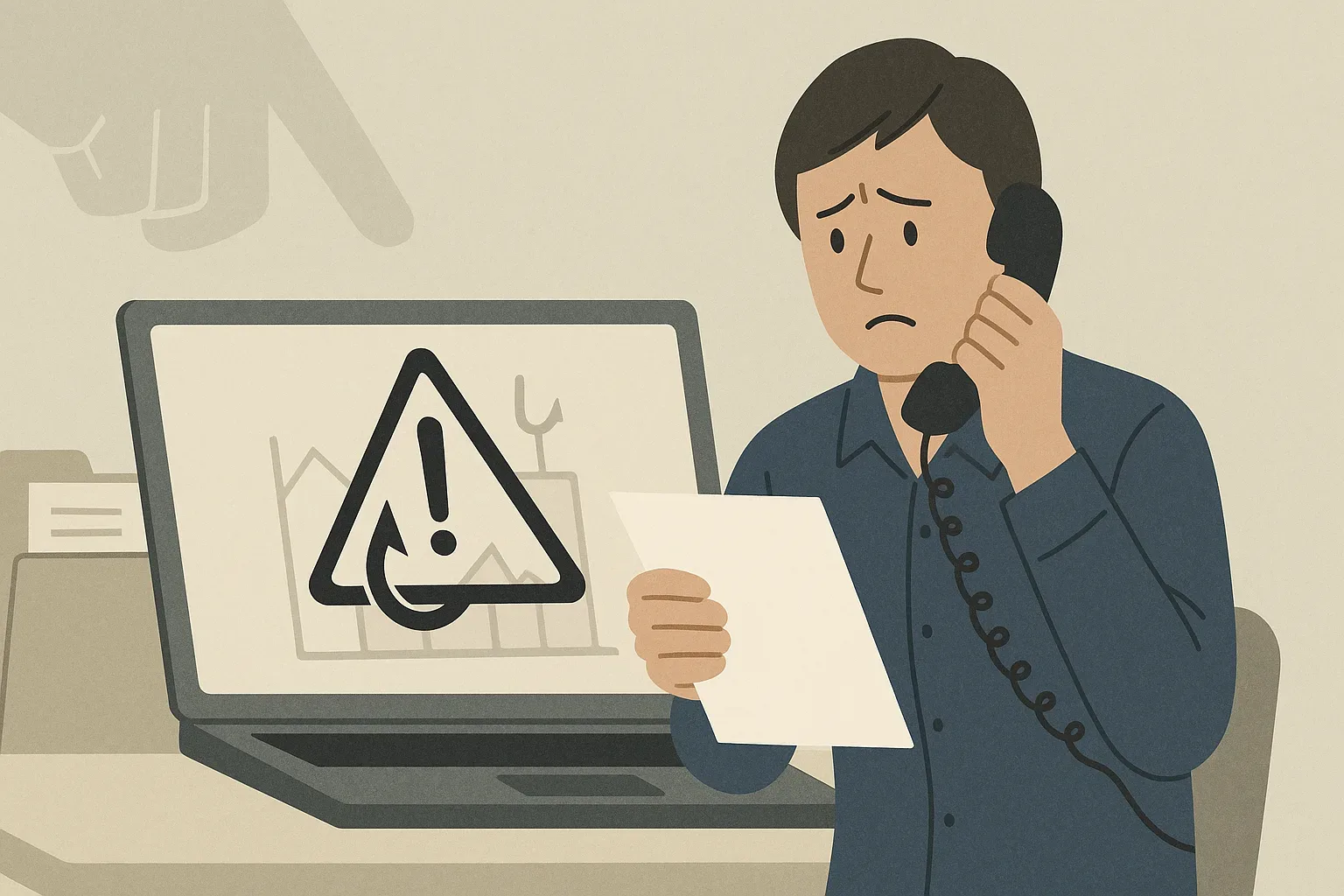
The proliferation of online trading platforms, including those for foreign exchange, currency, and other financial instruments, has unfortunately opened new avenues for sophisticated fraudsters.
Immediate Steps After Realizing You've Been Scammed
Immediately cease all communication with the alleged scammer and block their contact details across all platforms, including phone, email, and social media. Under no circumstances should you send more money or engage in any further transactions, regardless of the promises or threats made.
Change passwords for your email, banking, trading, and any other accounts that might have been compromised or linked to the scam. Enable two-factor authentication (2FA) wherever possible to add an extra layer of security. If you installed any remote access software at the scammer's instruction, such as AnyDesk or TeamViewer, disconnect from the internet and immediately uninstall it. These programs allow scammers to control your computer and access sensitive information.
Key Information and Evidence to Collect for Your Report
Begin by systematically gathering all identifiable details about the scammer. This includes any names or pseudonyms they used, their email addresses, phone numbers, social media profiles, and any associated wallet addresses for cryptocurrency transactions. Also, record the exact website URLs of the fraudulent trading platform and any related applications they instructed you to use. If the scam involved a purportedly legitimate trading provider, ensure you have documentation of how they presented themselves, as distinguishing a clone firm from a genuine entity is often part of the investigation.
This includes bank statements showing transfers to the scammer, wire transfer receipts, credit card statements, and detailed cryptocurrency transaction IDs and wallet addresses. Note the dates, amounts, and recipients of all funds sent. This can encompass chat logs from messaging apps like WhatsApp or Telegram, email threads, text messages, and call records. Preserve any marketing materials, investment proposals, or contracts they sent you. If you shared any personal identification documents, such as copies of your passport or driver's license, document when and how these were transmitted. Screenshots of the fake trading interface, fabricated profits, failed withdrawal attempts, or any other deceptive elements of the platform are also invaluable.
Reporting to Law Enforcement and Government Agencies
Your local police department should be your first point of contact for an official police report, as this is often a prerequisite for other actions, such as bank fraud investigations or insurance claims.
Beyond local law enforcement, federal or national agencies specialize in financial fraud and cybercrime. In the United States, this includes the FBI's Internet Crime Complaint Center (IC3), which collects information on internet-related criminal activity. In the United Kingdom, Action Fraud serves as the national reporting center for fraud and cybercrime, passing reports to the National Fraud Intelligence Bureau for investigation. Canada's primary body is the Canadian Anti-Fraud Centre. Similar dedicated agencies exist in many other countries. These agencies often have better capabilities to investigate sophisticated online scams and collaborate across jurisdictions. When making your report, provide all the meticulously collected evidence, explaining the timeline of events clearly and concisely.
Reporting to Financial Regulators and Industry Watchdogs
For instance, if the scam involved foreign exchange trading or a trading platform, you would report to the regulators overseeing those markets.
Key financial regulators globally include the Securities and Exchange Commission (SEC) and the Commodity Futures Trading Commission (CFTC) in the United States, the Financial Conduct Authority (FCA) in the United Kingdom, the Australian Securities and Investments Commission (ASIC), and BaFin in Germany. Many other countries have their own equivalent authorities, often identifiable by searching for "financial regulator" and the country name. Myfintec provides resources on how to assess a trading provider, including how to verify their regulation. If the scammer claimed to be regulated, provide evidence of these claims. If they operated entirely without regulation, reporting them still helps regulators issue warnings and track illegal operations.
How to Report a Trading Scam Involving Cryptocurrency or International Transactions
For cryptocurrency scams, the immediate priority is to gather all blockchain transaction IDs and the wallet addresses involved. Report the scam to the cryptocurrency exchange or platform where you initiated the transfer or where the scammer's wallet is hosted, if known. Provide them with all transaction details and the scammer's wallet addresses.
Start with your local law enforcement and national anti-fraud centers, as they can sometimes initiate requests for international cooperation through bodies like Interpol or Europol. For example, if a scammer claimed to be operating out of London, you should report to the UK's Financial Conduct Authority, even if you are not based there. Despite the difficulties, reporting to all relevant international bodies helps create a comprehensive picture of the scam, increasing the chances of identifying the perpetrators and preventing future incidents.
Notifying Your Bank, Payment Processor, or Cryptocurrency Exchange
Contact your bank directly through their official fraud department hotline. Explain the situation clearly, stating that you have been a victim of a trading scam and that fraudulent transactions were made from your account. Provide them with all the transaction details, including dates, amounts, recipient names (if known), and any reference numbers. Request a chargeback or a reversal of the transactions. While successful chargebacks are not guaranteed, especially for wire transfers or once funds have left the banking system, prompt action significantly improves your chances. Many banks have a limited window for disputing transactions.
If you used a payment processor like PayPal, Wise, or a credit card company, contact their fraud department as well. They have their own dispute resolution processes that may allow for fund recovery. For cryptocurrency transactions, notify the cryptocurrency exchange or wallet provider that you used to send funds. Provide them with the scammer's wallet address and the transaction IDs. While crypto transactions are largely irreversible, exchanges may be able to flag or freeze accounts if the funds are still within their platform and reported quickly. Your financial institution may also advise you on additional security measures, such as monitoring your credit report for unauthorized activity.
Understanding the Role of Scam Recovery Services (and Avoiding Recovery Scams)
In the aftermath of a trading scam, victims often feel desperate to recover their lost funds, making them vulnerable to "scam recovery services." These services often promise to retrieve your money for a fee, but in almost all cases, they are themselves fraudulent – a "recovery scam" preying on already victimized individuals. These operations typically contact victims unsolicited or advertise heavily online, claiming to have special access to funds or sophisticated techniques to trace and recover money that even law enforcement cannot. They often demand an upfront fee, administrative charge, or a percentage of the promised recovery, only to disappear with your additional payment.
Legitimate fund recovery is a complex process typically handled by law enforcement, financial regulators, or through legal action. No credible entity can guarantee the recovery of stolen funds, especially not for an upfront fee. Be extremely skeptical of any service that makes such promises or pressures you into quick decisions. Always verify the legitimacy of any company or individual claiming to offer recovery services. Research them thoroughly, look for independent reviews, and consult with official anti-fraud agencies before engaging with them. Never provide personal financial details, passwords, or send money to a recovery service. Do not become a victim twice.
Protecting Yourself and Your Assets from Future Trading Scams
Experiencing a trading scam is a harsh lesson, but it can also be a catalyst for adopting more robust protective measures. The most critical defense against future scams is thorough due diligence. Always verify the regulatory status of any trading platform or broker before investing. Check official regulatory registers (such as those maintained by the FCA, SEC, or ASIC) to ensure the entity is genuinely licensed and authorized for the services it offers. Myfintec provides detailed guidance on how to assess a trading provider, including how to identify red flags and ensure a platform's legitimacy. Be extremely wary of unsolicited offers, especially those promising unusually high returns with little to no risk. If an investment opportunity sounds too good to be true, it almost certainly is.
Strengthen your personal cyber security. Use strong, unique passwords for all your online accounts and enable two-factor authentication (2FA) wherever possible. Be cautious about sharing personal information online, especially sensitive documents like ID copies or bank statements. Never allow unknown individuals remote access to your computer or devices. Educate yourself about the warning signs of common trading scams, such as pressure selling tactics, demands for fast decisions, claims of exclusive investment opportunities, or complex explanations for withdrawal issues. Understand the basics of how legitimate foreign exchange, currency, and other trading platforms operate. By adopting a proactive and skeptical mindset, you can significantly reduce your vulnerability to future attempts at fraud and better protect your financial assets.
What to Expect After Reporting Your Trading Scam
Investigations into financial fraud, particularly those involving online and international elements, are often complex and time consuming. There is no guarantee of immediate fund recovery, and in many cases, full recovery may not be possible. Law enforcement agencies and regulators prioritize identifying and disrupting scam networks, which can take months or even years. Your case might be one of many contributing to a larger investigation, and you may not receive frequent updates.
Authorities will typically review the evidence you provided, cross-reference it with other reports, and if sufficient leads exist, they may initiate an investigation. You might be contacted for further information or clarification. However, it is also common for victims to hear little back once their report has been submitted, primarily due to the sheer volume of cases and the sensitivity of ongoing investigations. While the immediate goal for many victims is to recover their losses, reporting also serves a broader purpose: it helps authorities build intelligence, issue warnings, and ultimately protect future potential victims. Focus on protecting your remaining assets, securing your personal information, and learning from the experience to prevent future incidents. Seek support from trusted friends, family, or professional counselors if the emotional toll of the scam is significant.
Risk statement
Myfintec provides news and information only. Nothing on this site is financial, investment, trading, legal or tax advice. Markets carry risk, including total loss of capital. Always do your own research and consider independent professional advice before acting.